
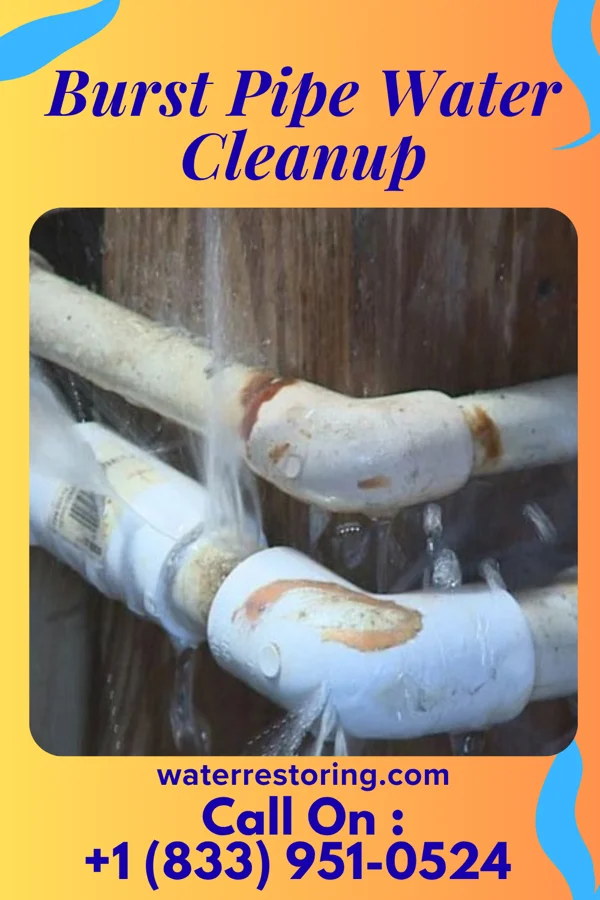
Appalachia Pipe Burst Risk Drivers
Water damage in Appalachia tends to cluster in predictable windows because of the local climate. In Appalachia, Virginia, the aging infrastructure and frequent freeze-thaw cycles increase the likelihood of pipe bursts, especially in rural areas like Wise County. Many homes in the region have older plumbing systems that are more prone to failure during temperature fluctuations. A close second is The region's mountainous terrain and limited access to professional plumbing services contribute to delayed repairs, which can lead to secondary pipe bursts. This is particularly common in remote areas such as Stonega and Big Stone Gap East..
Appalachia's climate, characterized by harsh winters and unpredictable spring thaws, poses a significant risk to plumbing systems in Virginia. The combination of freezing temperatures and moisture from nearby rivers like the New River can accelerate pipe deterioration.
Appalachia's climate, characterized by harsh winters and unpredictable spring thaws, poses a significant risk to plumbing systems in Virginia. The combination of freezing temperatures and moisture from nearby rivers like the New River can accelerate pipe deterioration. The dominant local driver is In Appalachia, Virginia, the aging infrastructure and frequent freeze-thaw cycles increase the likelihood of pipe bursts, especially in rural areas like Wise County. Many homes in the region have older plumbing systems that are more prone to failure during temperature fluctuations., with The region's mountainous terrain and limited access to professional plumbing services contribute to delayed repairs, which can lead to secondary pipe bursts. This is particularly common in remote areas such as Stonega and Big Stone Gap East. showing up as the next most common cause. Damage builds in stages. Spread. Absorption. Microbial growth. Structural compromise. Every stage you pass through adds to the final bill.
For public guidance on the health effects of mold after prolonged water exposure, see the EPA mold and health page.