
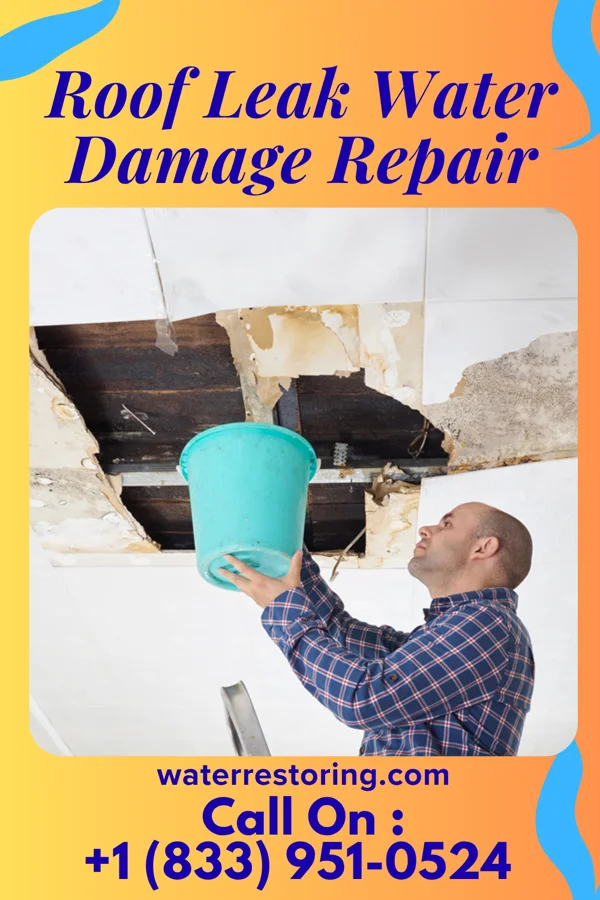
Appalachia Roof Leak Damage: What Owners Should Know
Residential or commercial, water damage emergencies in Appalachia keep coming back to the same drivers. Appalachia, Virginia experiences frequent heavy rainfall and thunderstorms, which can quickly lead to roof leaks due to the region's steep terrain and dense forests. The combination of high humidity and prolonged rain events increases the risk of water infiltration, especially in older or improperly maintained roofing systems. sits at the top of the list. A close second is Winter snowmelt and spring flooding are common in the area, leading to saturated ground and increased pressure on roof structures. These conditions can cause ice dams and water back-up, which are significant contributors to roof leaks and interior water damage..
The combination of heavy rainfall, high humidity, and frequent temperature fluctuations in Appalachia creates an environment where roof leaks and water damage can develop rapidly. This climate also promotes mold growth, which can affect indoor air quality and structural integrity.
Water damage in Appalachia follows a few local patterns. Appalachia, Virginia experiences frequent heavy rainfall and thunderstorms, which can quickly lead to roof leaks due to the region's steep terrain and dense forests. The combination of high humidity and prolonged rain events increases the risk of water infiltration, especially in older or improperly maintained roofing systems. accounts for the bulk of our calls. The combination of heavy rainfall, high humidity, and frequent temperature fluctuations in Appalachia creates an environment where roof leaks and water damage can develop rapidly. This climate also promotes mold growth, which can affect indoor air quality and structural integrity. Mold can begin to grow within 48 hours of water intrusion in Appalachia, Virginia, due to the region's high humidity. This can lead to not only health concerns but also long-term structural damage if not addressed promptly.